
This week in tech, we saw a major new player in the XR space and witnessed the potential end of a major smartphone trend. But the biggest story comes from an unexpected place: Rivian, the electric truck company, has just unveiled a new Rivian e-bike that completely rethinks how a bicycle should work.
Let’s dive in.
Rivian Reinvents the E-Bike by Removing the Chain
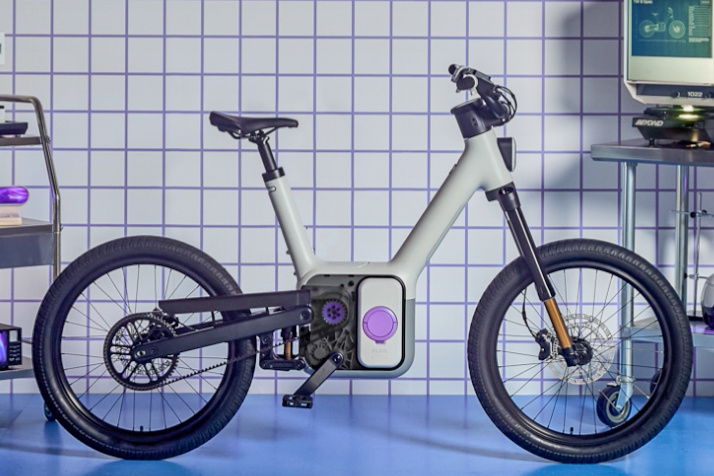
Rivian has launched a new brand called “Also” to house its new line of electric bikes. The flagship product is a high-tech e-bike that does away with one of the bicycle’s most fundamental components: the chain.
Instead of a chain, this Rivian e-bike uses a “pedal bywire” system.
What is “Pedal ByWire”?
In a traditional bike, your pedals are mechanically connected to the wheel via a chain. The “pedal bywire” system severs this connection completely. Here’s how it works:
- You Pedal: Your pedaling motion doesn’t turn the wheel; it powers a generator.
- Electricity is Created: The generator creates electricity from your effort.
- Power is Distributed: That electricity is then used to power a motor at the wheel and simultaneously charge the bike’s battery.
This means your pedals are essentially just an input, telling a computer how much power to send to the motor. This allows for fascinating features, like a fully adjustable resistance (you can decide how hard or easy your workout is) and regenerative braking.
New Features and Big Questions
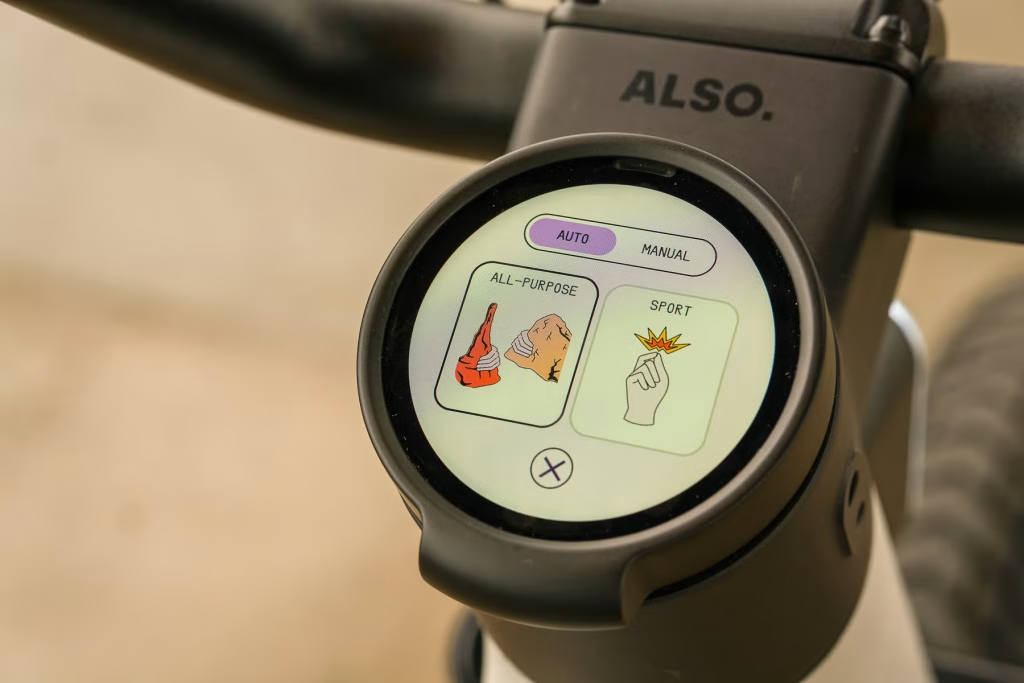
The new Rivian e-bike line also includes a cargo bike, a high-tech helmet, and innovative, replaceable top frames that can convert a single bike from a commuter to a cargo or trail bike. The battery is easily removable and charges via USB-C.
This all sounds incredibly futuristic, but the starting price tag is a steep $4,500. And the new technology raises four significant concerns:
- Weight: With a generator, motor, and battery, all this complex tech looks very heavy.
- The “Dead Battery” Problem: If the battery is completely dead, does the bike work at all? Or do you have to pedal for a while just to generate enough charge to get the system running?
- Efficiency: Turning mechanical power (pedaling) into electricity, only to turn it back into mechanical power (at the wheel), is “way less efficient than just using a chain.” You could be losing 20-30% of your power in the conversion.
- Repairs: All the parts are custom. If anything breaks, you are 100% reliant on Rivian for a fix, unlike a standard bike you can take to any shop.
Despite these concerns, Rivian has taken the idea of reinventing the e-bike very seriously.
This Week’s Other Big Tech Stories
While the Rivian e-bike stole the show, two other major stories are shaking up the hardware world.
Samsung’s Galaxy XR: A Serious Vision Pro Competitor
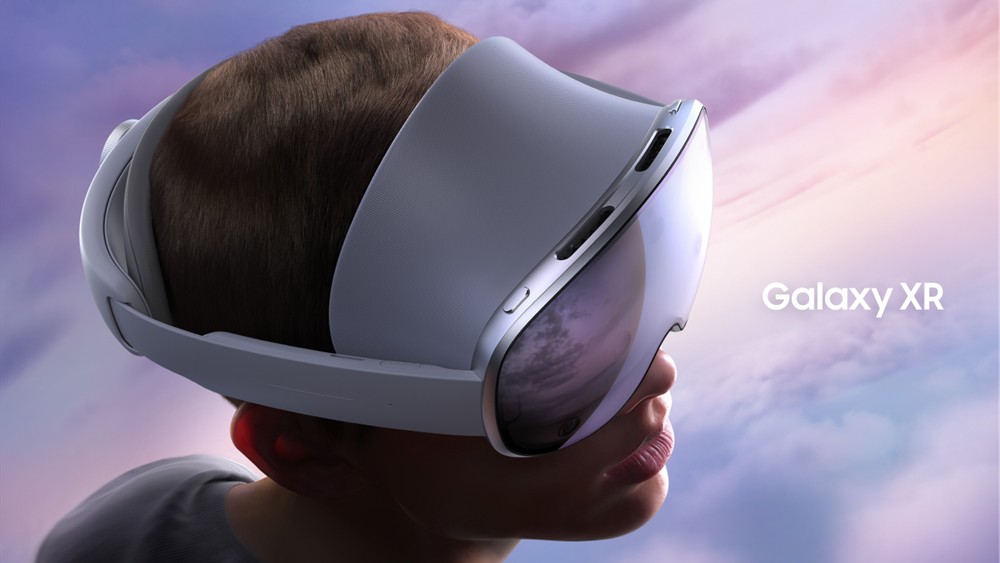
Samsung has launched its Galaxy XR headset, and it looks “surprisingly good.” While it’s clearly inspired by the Apple Vision Pro, it might be significantly better in the ways that truly matter.
- Price: It costs $1,800, which is half the price of the Vision Pro.
- Weight & Comfort: It’s much lighter (545g vs. 750g+) and features a more comfortable headband that doesn’t require a top strap, saving your hair.
- Software: This is where it may truly win. It has access to Steam VR for a massive library of high-end games. More importantly, it features deep Gemini AI integration, allowing you to naturally talk to the headset, ask it to open apps, arrange windows, and even “circle to search” for things you see.
While the “pass-through” cameras might be slightly lower quality and the performance a bit less, the trade-offs in price and comfort may make it a much more practical device.
The Thin Phone Flop
The trend of ultra-thin smartphones may already be over. Reports indicate that Apple has slashed production of the iPhone Air due to “significantly worse than expected sales.” It’s reportedly selling even less than the iPhone Mini, which was also killed off.
This comes just weeks after news that the Galaxy S25 Edge was also selling terribly, leading Samsung to kill the next version of that phone. It seems that when given a choice, consumers simply don’t want to sacrifice battery life and durability for a paper-thin design.